A start-up, PulsePod, is developing a refillable insulated bottle that tracks hydration and sends reminders through an app. The team is unsure which customer segment to prioritise and which features justify a higher price.
Before committing to tooling, PulsePod ran a two‑stage market research plan:
- Stage 1 (exploratory): 12 online interviews with runners, office workers and students.
- Stage 2 (quantitative): a survey of 240 potential customers recruited through social media ads.
The survey results are summarised below.
| Finding | Result |
|---|---|
| Would consider buying a bottle in the next 3 months | 58% |
| Most important purchase driver | Leak-proof lid (34%), keeps drinks cold (29%), price (21%), app reminders (16%) |
| Most important purchase driver by segment | Runners: keeps drinks cold (38%), leak-proof lid (33%), price (17%), app reminders (12%); Office workers: leak-proof lid (39%), price (24%), keeps drinks cold (22%), app reminders (15%); Students: price (36%), leak-proof lid (28%), app reminders (20%), keeps drinks cold (16%) |
| Preferred buying channel | Online marketplace (44%), brand website (31%), sports store (25%) |
| Acceptable price range (most common) | – |
PulsePod’s draft concept sheet (used in interviews and the survey) included:
- three colour options (black, mint, sand)
- two lid types (flip-top, straw)
- optional app subscription () for reminders and weekly reports
PulsePod’s investor asks for evidence that the product will meet real customer needs and that the marketing plan is based on reliable research.
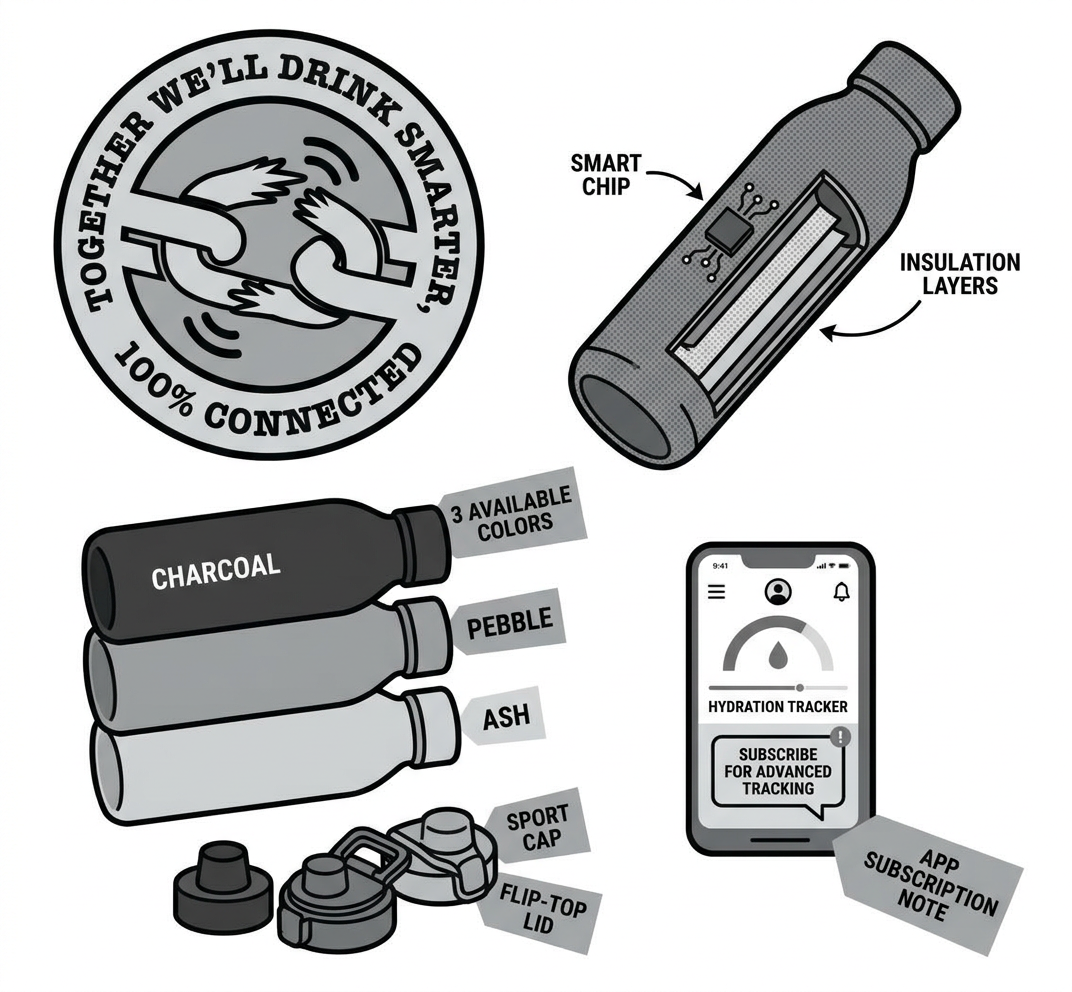
Figure 1: PulsePod draft concept sheet
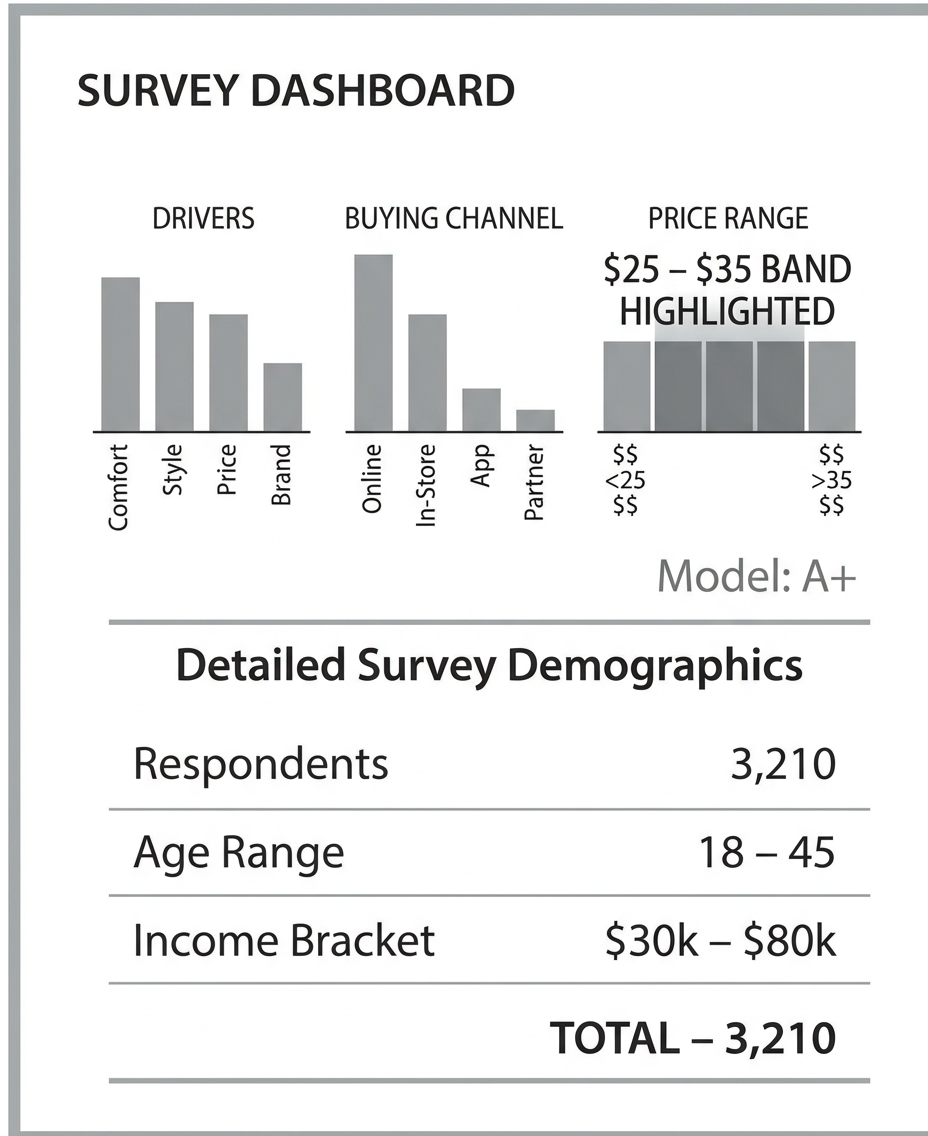
Figure 2: Summary of PulsePod survey results
how PulsePod could two different market research strategies to reduce uncertainty before investing in tooling and launch.